NFT Sales Surge 37% as Bitcoin Dominates Digital Market ($88.2M)
NFT sales surge 37% to $88.2M while Bitcoin NFT sales jump 144%. Discover the digital collectibles market comeback and what's driving growth.

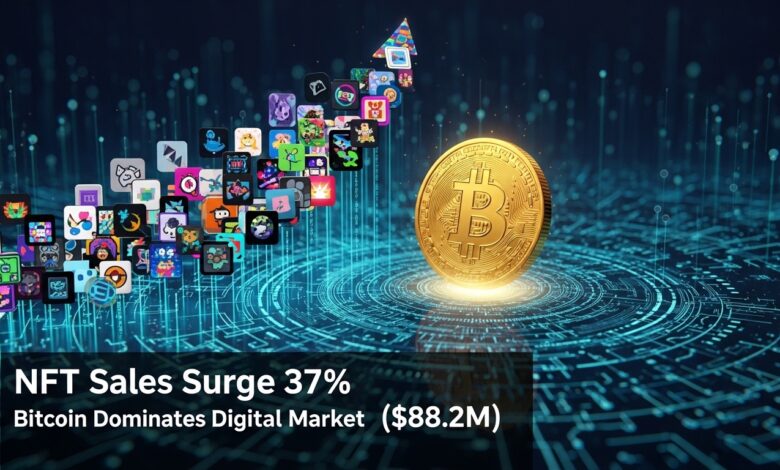
NFT sales surge by an impressive 37 percent, reaching a staggering $88.2 million in recent trading activity. This resurgence marks a significant turning point for the non-fungible token industry, which has weathered challenging market conditions over the past years. What makes this recovery particularly noteworthy is the extraordinary performance of Bitcoin dominates the NFT landscape, with Bitcoin-based NFT sales skyrocketing by an astounding 144 percent, signaling renewed investor confidence and shifting market dynamics in the blockchain-powered digital asset space.
The cryptocurrency community and digital art enthusiasts are closely monitoring these developments, as they suggest a fundamental transformation in how collectors and investors perceive value in blockchain-verified ownership. This comprehensive analysis explores the factors driving this remarkable growth, examines which blockchain networks are leading the charge, and investigates what this momentum means for the future of digital ownership and creative expression in the Web3 ecosystem.
NFT Market Recovery and What’s Driving Growth
The recent surge in NFT sales represents more than just temporary market fluctuation—it reflects evolving collector preferences and technological maturation within the blockchain space. After experiencing a prolonged downturn that saw trading volumes contract significantly from their 2021 peaks, the non-fungible token market is demonstrating resilience and adaptation that few analysts predicted just months ago.
Several interconnected factors are contributing to this NFT market recovery. First, the overall stabilization of cryptocurrency prices has restored confidence among digital asset investors who previously retreated during periods of extreme volatility. When major cryptocurrencies like Bitcoin and Ethereum establish relatively stable price floors, collectors feel more comfortable allocating capital toward digital collectibles without fear of catastrophic value erosion.
Second, the maturation of NFT utility has transformed these digital assets from purely speculative instruments into functional tools with real-world applications. Gaming ecosystems are integrating non-fungible tokens as in-game assets with genuine utility, while luxury brands are experimenting with NFT-based authentication and membership programs. This evolution from speculation to utility creates sustainable demand that transcends hype cycles.
Third, the technical infrastructure supporting blockchain collectibles has improved dramatically. Gas fees on major networks have decreased, user interfaces have become more intuitive, and cross-chain interoperability solutions have emerged, making it easier for mainstream users to participate in the NFT ecosystem without requiring extensive technical knowledge.
Bitcoin NFT Sales Lead the Market Surge with 144% Growth
The most striking aspect of the current NFT sales surge is the dominant performance of Bitcoin-based non-fungible tokens, which have experienced a remarkable 144 percent increase in trading volume. This development challenges the conventional wisdom that positioned Ethereum as the undisputed leader in the digital collectibles space and highlights the growing diversification across blockchain networks.
Bitcoin NFT sales have been propelled by the success of innovative protocols like Ordinals and BRC-20 tokens, which enable the inscription of digital artifacts directly onto individual satoshis on the Bitcoin blockchain. This approach leverages Bitcoin’s unparalleled security and decentralization while introducing NFT functionality to the world’s most established cryptocurrency network.
The appeal of Bitcoin-based NFTs extends beyond mere novelty. Collectors are attracted to the permanence and immutability that comes from storing digital artifacts on the Bitcoin blockchain, which benefits from the most robust network security in the cryptocurrency ecosystem. Unlike smart contract platforms where NFT metadata might be stored off-chain or on less secure networks, Bitcoin Ordinals embed data directly into blockchain transactions, creating what many consider the purest form of on-chain digital ownership.
Furthermore, the Bitcoin dominates narrative is strengthened by the network’s cultural significance within the broader cryptocurrency movement. Bitcoin maximalists who previously dismissed NFTs as frivolous applications built on inferior blockchains are now embracing digital collectibles when they’re native to Bitcoin itself. This ideological shift has unlocked a previously untapped collector base with substantial capital and long-term commitment to the Bitcoin ecosystem.
Ethereum and Alternative Blockchain Performance in the NFT Landscape
While Bitcoin steals the spotlight with triple-digit growth, Ethereum NFT sales continue to represent the largest absolute volume in the digital collectibles market. Ethereum’s established infrastructure, extensive developer ecosystem, and dominant position in decentralized finance create network effects that maintain its relevance despite emerging competitors.
The Ethereum blockchain hosts the majority of blue-chip NFT collections, including projects that have achieved cultural significance beyond the cryptocurrency community. These established collections benefit from brand recognition, community strength, and historical significance that newer blockchain alternatives struggle to replicate. Collectors seeking prestige and social status within NFT circles continue gravitating toward Ethereum-based projects with proven track records.
However, alternative blockchains are capturing meaningful market share by addressing Ethereum’s historical challenges around transaction costs and throughput. Solana NFT marketplace activity has demonstrated consistent growth, attracting creators and collectors with near-instantaneous transaction finality and negligible fees. The Solana ecosystem has cultivated a distinct cultural identity centered around high-frequency trading, gaming applications, and experimental digital art that appeals to a different demographic than traditional Ethereum collectors.
Polygon, operating as a layer-2 scaling solution for Ethereum, has emerged as a bridge between Ethereum’s security and the performance characteristics users demand. Major brands experimenting with NFT initiatives frequently choose Polygon for consumer-facing applications where transaction costs and speed directly impact user experience. This strategic positioning allows Polygon to capture enterprise adoption while maintaining compatibility with the broader Ethereum ecosystem.
Market Dynamics and Investment Patterns Shaping NFT Trading Volume
The 37 percent increase in overall NFT trading volume reflects changing investment strategies among digital asset participants. Rather than the indiscriminate speculation that characterized previous market peaks, current trading patterns suggest more sophisticated collector behavior focused on fundamentals, utility, and long-term value appreciation.
Institutional investors who previously dismissed non-fungible tokens as passing fads are now cautiously entering the market through curated funds and advisory services. This institutional participation brings professional valuation methodologies, due diligence processes, and capital allocation strategies that contribute to market maturation. When respected financial institutions acknowledge NFTs as a legitimate asset class, it validates the space and attracts additional capital from conservative investors who follow institutional leads.
The composition of NFT market participants has also evolved. Early adopters motivated primarily by quick profits have been partially replaced by collectors with genuine interest in digital art, virtual real estate, gaming assets, and community membership. This shift toward intrinsic value rather than purely speculative returns creates more stable demand and reduces the extreme volatility that previously characterized the space.
Secondary market dynamics have become increasingly sophisticated, with pricing mechanisms, liquidity protocols, and valuation tools approaching the maturity seen in traditional collectibles markets. Platforms offering NFT lending, fractional ownership, and derivatives products provide collectors with financial flexibility previously unavailable, making digital collectibles more attractive to a broader range of investment strategies.
The Role of Digital Art and Cultural Significance in NFT Adoption
Beyond financial metrics, the resurgence in digital collectibles growth is fundamentally driven by cultural evolution and artistic innovation. Digital artists who once struggled to monetize their work in traditional galleries have found economic empowerment through blockchain-verified ownership and programmable royalties. This transformation has attracted exceptional creative talent to the NFT medium, elevating the artistic quality and cultural relevance of digital collectibles.
The cryptocurrency art market has matured beyond simplistic profile pictures and generative algorithms. Contemporary NFT artists are creating sophisticated multimedia experiences, interactive installations, and conceptual works that challenge definitions of ownership and authorship in the digital age. Museums, galleries, and cultural institutions are increasingly recognizing NFT art as a legitimate medium worthy of exhibition and preservation.
Community-driven projects that combine artistic expression with social connection have demonstrated remarkable staying power. These initiatives create value not just through aesthetic appeal but through membership benefits, governance rights, and shared identity. When collectors purchase NFTs from such projects, they’re acquiring membership in exclusive communities rather than simply buying isolated digital images, which creates emotional attachment and reduces the likelihood of quick liquidation during market downturns.
The integration of augmented reality and virtual reality technologies with NFT ownership creates new dimensions for experiencing digital collectibles. Collectors can now display their acquisitions in virtual galleries, wear them as avatar accessories in metaverse environments, or project them into physical spaces through AR applications. These expanded use cases transform NFTs from static digital files into dynamic expressions of identity and taste that bridge virtual and physical realities.
Regulatory Developments and Their Impact on NFT Market Confidence
The regulatory landscape surrounding non-fungible token trends has evolved considerably, with increased clarity providing the confidence necessary for sustained market growth. While comprehensive NFT-specific regulations remain under development in most jurisdictions, recent guidance from financial authorities has reduced some of the uncertainty that previously deterred institutional participation.
Regulatory bodies are increasingly distinguishing between NFTs that function as collectibles versus those that may constitute securities under existing frameworks. This nuanced approach acknowledges the diversity within the NFT ecosystem and avoids blanket regulations that could stifle innovation. When collectors understand the legal status of their digital assets, they’re more willing to make substantial investments with confidence in their property rights.
Tax treatment of NFT transactions has also become clearer in major markets, with guidance on capital gains, sales tax, and reporting requirements helping collectors and creators comply with legal obligations. While taxation creates administrative burdens, the clarity itself is valuable for market participants who previously operated in ambiguous legal territory. Professional collectors can now structure their activities with tax efficiency, making NFT investing more attractive compared to legally uncertain alternatives.
Anti-money laundering measures and know-your-customer requirements implemented by major NFT marketplaces have enhanced market legitimacy while addressing concerns about illicit activity. Although these compliance measures introduce friction into the user experience, they’re necessary for mainstream adoption and institutional participation. The willingness of leading platforms to implement robust compliance frameworks signals industry maturation and long-term thinking.
Technological Innovations Enhancing the NFT User Experience
Technical advancement within blockchain infrastructure has directly contributed to the NFT sales surge by removing barriers that previously limited mainstream adoption. Improvements in wallet technology, marketplace interfaces, and cross-chain compatibility have made participating in the NFT ecosystem accessible to users without specialized technical knowledge.
Modern NFT marketplaces have evolved into sophisticated platforms offering advanced search functionality, price analytics, rarity metrics, and social features that rival traditional e-commerce experiences. These user-friendly interfaces abstract away blockchain complexity, allowing collectors to focus on discovering and acquiring digital assets rather than navigating technical challenges. When the barrier to entry drops, market participation increases, driving trading volume and ecosystem growth.
Layer-2 scaling solutions and alternative consensus mechanisms have addressed the transaction cost and environmental concerns that previously generated controversy around NFTs. By enabling affordable minting and trading on environmentally sustainable blockchains, these technological solutions have removed significant objections from environmentally conscious collectors and creators. The narrative shift from energy-intensive proof-of-work systems to efficient alternatives has improved public perception and broadened the potential user base.
Interoperability protocols that enable NFTs to move between different blockchain ecosystems have created a more unified market where collectors aren’t locked into single platforms. Cross-chain bridges, multi-chain wallets, and protocol standards that support asset portability give users flexibility and reduce platform risk. This technological freedom aligns with the decentralization ethos underlying blockchain technology and makes NFT ownership more appealing to those wary of platform dependence.
Gaming and Metaverse Integration Driving Sustained NFT Demand
The gaming industry’s embrace of blockchain technology and digital ownership represents one of the most significant drivers of sustainable blockchain collectibles 2026 growth. Unlike purely collectible NFTs whose value depends entirely on secondary market dynamics, gaming NFTs offer functional utility within virtual environments, creating demand independent of speculation.
Play-to-earn models that reward players with tradable NFT assets have introduced blockchain technology to millions of gamers who might never have purchased cryptocurrency otherwise. While early implementations faced criticism for prioritizing financial extraction over gameplay quality, newer projects are developing genuinely engaging gaming experiences where NFT integration enhances rather than detracts from entertainment value. This evolution is crucial for long-term adoption beyond the existing cryptocurrency enthusiast base.
Virtual real estate within metaverse platforms has emerged as a distinct NFT category with unique value drivers. Digital land parcels in popular virtual worlds appreciate based on location, development potential, and foot traffic, creating real estate dynamics analogous to physical property markets. Brands, entertainers, and entrepreneurs are purchasing virtual land to establish presence in emerging digital spaces, driving demand and price appreciation that attracts speculative investors alongside genuine users.
The integration of NFTs with esports and competitive gaming creates new revenue streams for professional players and content creators. Tournament prizes distributed as NFTs, exclusive skins and equipment available only through blockchain ownership, and fan engagement mechanisms tied to NFT possession are transforming how gaming communities interact with digital assets. These use cases extend beyond simple collectibility into functional aspects of gaming culture and competition.
Brand Partnerships and Mainstream Adoption Accelerating Market Growth
Corporate adoption of NFT technology has reached an inflection point where major consumer brands view digital collectibles as strategic tools rather than experimental marketing gimmicks. This mainstream validation contributes substantially to the current digital collectibles growth by introducing NFTs to audiences far beyond the cryptocurrency community.
Luxury fashion houses have pioneered brand integration with NFTs, creating digital versions of iconic products, offering blockchain-verified authentication for physical goods, and launching NFT-gated experiences for elite customers. These initiatives leverage the exclusivity and status signaling that drives luxury consumption while extending brand presence into virtual environments where younger consumers increasingly spend time. When prestigious brands embrace NFTs, it legitimizes the medium and attracts collectors who follow fashion trends rather than cryptocurrency markets.
Entertainment companies are experimenting with NFT-based fan engagement that offers collectors unprecedented access to their favorite artists, athletes, and franchises. Concert tickets issued as NFTs with embedded royalty mechanisms, collectible moments from sporting events, and exclusive content accessible only to NFT holders create new relationships between creators and fans. These applications demonstrate NFT utility beyond visual art and speculation, broadening the technology’s appeal across demographic groups.
The convergence of physical and digital ownership through NFT-linked products represents an innovative frontier where blockchain verification enhances traditional goods. Sneaker releases with accompanying NFTs, wine collections with blockchain provenance tracking, and real estate transactions recorded as non-fungible tokens illustrate how NFT technology can add value to established markets. This hybrid approach makes NFTs relevant to collectors who appreciate both digital innovation and tangible assets.
Investment Risks and Considerations in the Current NFT Market
Despite the encouraging growth reflected in the NFT sales surge Bitcoin dominates, prospective investors must approach the market with realistic expectations and awareness of inherent risks. The extreme volatility that characterizes both cryptocurrency markets and digital collectibles can produce substantial losses alongside the potential for significant gains.
Liquidity risk remains a fundamental challenge within NFT markets, particularly for collections outside the most established blue-chip projects. Unlike fungible tokens that can be instantly traded at market prices, NFTs often require finding specific buyers interested in particular pieces, which can result in extended holding periods or forced sales at substantial discounts. Collectors must consider whether they can afford to hold assets for indeterminate periods if market conditions deteriorate or buyer interest wanes.
Valuation uncertainty poses another significant challenge, as NFTs lack the established pricing mechanisms that govern traditional collectibles markets. Determining fair value for digital assets with limited sales history, subjective aesthetic appeal, and uncertain utility requires sophisticated analysis that many collectors lack. The potential for market manipulation, wash trading, and artificial price inflation in less liquid markets creates risks for uninformed participants who may overpay for assets based on misleading transaction histories.
Technological obsolescence represents a unique risk category specific to digital assets. As blockchain technology evolves, NFTs created on outdated protocols or platforms that lose developer support may become difficult to transfer or display. While major blockchains like Bitcoin and Ethereum likely have sufficient network effects to persist indefinitely, smaller alternative chains hosting NFT projects may not survive long-term, potentially stranding digital assets on abandoned networks.
Future Outlook and Predictions for the NFT Ecosystem
The trajectory suggested by the 37 percent increase in overall sales and the 144 percent surge in Bitcoin NFT sales points toward continued evolution rather than simple repetition of previous market cycles. The NFT ecosystem is maturing in ways that suggest more sustainable growth patterns compared to the speculative frenzy that characterized earlier periods.
Integration with artificial intelligence technologies promises to revolutionize both NFT creation and verification. AI-generated art authenticated through blockchain ownership creates new creative possibilities while raising philosophical questions about authorship and originality. Conversely, AI verification tools that detect forged or misattributed NFTs will enhance market integrity and buyer confidence, reducing friction in secondary markets where authenticity concerns currently limit transaction volume.
The development of decentralized autonomous organizations focused on NFT curation, investment, and governance will democratize access to high-value digital assets while introducing new coordination mechanisms for collector communities. Fractional ownership protocols that enable groups to collectively acquire expensive NFTs lower barriers to entry for prestigious collections while creating new liquidity mechanisms through tokenized ownership shares.
Regulatory frameworks will continue evolving toward comprehensive approaches that protect consumers without stifling innovation. As jurisdictions establish clear legal precedents for NFT ownership, taxation, and transfer, institutional investors will deploy significantly larger capital allocations toward digital collectibles. This institutional participation will bring professional standards, due diligence practices, and risk management approaches that enhance overall market stability and credibility.
Conclusion: Positioning for Success in the Evolving NFT Market
The remarkable NFT sales surge to $88.2 million, driven by Bitcoin’s extraordinary 144 percent growth, signals a pivotal moment in the evolution of digital ownership and blockchain-based collectibles. This resurgence reflects fundamental improvements in technology, expanding utility, mainstream adoption, and market maturation that distinguish current growth from previous speculative bubbles.
For collectors, creators, and investors seeking to participate in this dynamic ecosystem, success requires combining enthusiasm with careful analysis. Understanding the factors driving Bitcoin dominates the current market surge, recognizing the distinct value propositions of different blockchain networks, and maintaining realistic expectations about risks and opportunities will be essential for navigating the complex NFT landscape.
The convergence of art, technology, finance, and community that defines the NFT phenomenon represents a genuinely novel development in how humans create, exchange, and value digital property. As the market continues evolving beyond its speculative origins toward sustainable utility and cultural significance, the current growth phase offers opportunities for those who approach digital collectibles with both strategic thinking and genuine appreciation for the creative innovation blockchain technology enables.
Whether you’re an experienced collector expanding your portfolio or a newcomer curious about participating in the NFT market recovery, the time to engage thoughtfully with this transformative technology is now. Research thoroughly, invest responsibly, and participate in the communities and platforms that align with your values and interests to maximize your potential for success in the evolving world of non-fungible tokens.
See more;Bitcoin Price Drop September: Rebound or New Lows Ahead?