FIFA NFT Platform Blockchain: Major Shift to Ethereum Network
FIFA shifts NFT platform to new Ethereum-compatible blockchain, revolutionizing digital collectibles and fan engagement in global football.

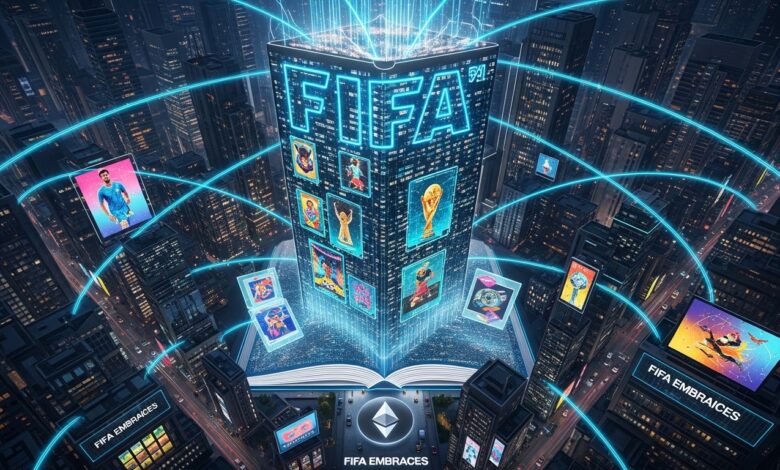
FIFA NFT Platform Blockchain: Major Shift to Ethereum Network
The world of digital collectibles in football has just experienced a seismic transformation. FIFA, the governing body of international football, has announced a groundbreaking decision to migrate its FIFA NFT platform blockchain infrastructure to a new Ethereum-compatible network. This strategic move represents a pivotal moment in the intersection of sports, technology, and digital asset management, potentially reshaping how millions of football fans worldwide engage with non-fungible tokens and digital memorabilia.
The FIFA NFT platform blockchain migration comes at a critical juncture when digital collectibles are becoming increasingly mainstream in the sports industry. This transition signals FIFA’s commitment to providing fans with enhanced accessibility, improved transaction speeds, and a more robust technological foundation for their digital football collectibles. As the organization responsible for the world’s most-watched sporting event, FIFA’s blockchain strategy will undoubtedly influence how other sports organizations approach digital asset platforms in the coming years.
Understanding this significant shift requires examining the technical, economic, and strategic implications behind FIFA’s decision. The move to an Ethereum-compatible blockchain infrastructure promises to unlock new possibilities for interoperability, scalability, and innovation within the football digital collectibles ecosystem.
FIFA’s Digital Collectibles Evolution
FIFA’s journey into the blockchain space began as part of a broader strategy to modernize fan engagement and create new revenue streams through digital innovation. The organization initially launched its NFT platform to capitalize on the growing interest in digital collectibles, particularly surrounding major tournaments like the World Cup. These non-fungible tokens offered fans unique ways to own pieces of football history, from memorable match moments to exclusive digital artwork featuring legendary players.
The original FIFA NFT platform blockchain architecture served its purpose during the initial launch phase, allowing the organization to test the waters of digital collectibles. However, as the platform gained traction and user demands evolved, limitations in scalability, transaction costs, and cross-platform compatibility became increasingly apparent. These challenges prompted FIFA’s technical teams to evaluate alternative blockchain solutions that could better serve the organization’s long-term vision for digital fan engagement.
The decision to migrate represents more than just a technical upgrade. It reflects FIFA’s recognition that the blockchain landscape has matured significantly, with Ethereum-compatible networks now offering superior infrastructure for consumer-facing applications. This evolution acknowledges that fans expect seamless, cost-effective experiences when purchasing, trading, and displaying their digital football collectibles.
Why Ethereum Compatibility Matters for Football Fans
Ethereum compatibility has emerged as the gold standard in blockchain development, and FIFA’s adoption of this approach carries significant implications for users of the FIFA NFT platform blockchain. An Ethereum-compatible network means the new platform can leverage the extensive ecosystem of tools, wallets, and decentralized applications that have been built around Ethereum’s widely-adopted standards. This compatibility ensures that football fans won’t need to learn entirely new systems or acquire specialized knowledge to participate in FIFA’s digital collectibles marketplace.
The technical advantages of Ethereum-compatible blockchains extend beyond mere convenience. These networks typically offer enhanced smart contract functionality, allowing FIFA to create more sophisticated NFT experiences. Imagine dynamic collectibles that evolve based on real-world football events, or digital assets that unlock exclusive content as tournaments progress. The flexibility of Ethereum-compatible smart contracts makes these innovative features possible, transforming static digital images into interactive experiences that deepen fan engagement.
Transaction efficiency represents another crucial benefit driving the FIFA NFT platform blockchain migration. Traditional Ethereum networks have faced criticism for high gas fees and network congestion during peak usage periods. Modern Ethereum-compatible chains address these issues through various scaling solutions, offering faster transaction confirmations and significantly reduced costs. For FIFA’s global fanbase, this means purchasing a digital collectible of their favorite player’s goal shouldn’t cost more in transaction fees than the NFT itself.
The Technical Architecture Behind the Migration
The infrastructure powering the new FIFA NFT platform blockchain represents cutting-edge blockchain technology designed specifically for consumer applications. While FIFA hasn’t disclosed every technical detail, industry analysis suggests the chosen network likely employs a proof-of-stake consensus mechanism, offering enhanced energy efficiency compared to older blockchain models. This aligns with FIFA’s broader sustainability commitments and addresses growing concerns about the environmental impact of blockchain technology.
Interoperability stands as a cornerstone of the new architecture. By selecting an Ethereum-compatible blockchain, FIFA ensures that digital collectibles can potentially interact with other platforms and marketplaces in the broader Web3 ecosystem. Football fans might eventually display their FIFA NFTs in virtual worlds, use them as profile pictures across social platforms, or trade them on third-party marketplaces without artificial restrictions. This openness contrasts sharply with walled-garden approaches that limit where and how digital assets can be utilized.
The migration process itself involves sophisticated technical challenges. FIFA must ensure that existing NFT holders can seamlessly transfer their assets to the new blockchain without losing ownership, metadata, or any associated benefits. This requires careful coordination between blockchain developers, smart contract auditors, and user experience designers to create a transition process that maintains trust while minimizing disruption to the collector community.
Impact on Digital Collectibles Market Dynamics
FIFA’s decision to shift its FIFA NFT platform blockchain infrastructure sends ripples throughout the entire digital collectibles market. As one of the most recognizable brands in global sports, FIFA’s blockchain choices influence how other organizations evaluate their own NFT strategies. The move toward Ethereum compatibility may accelerate similar transitions among other sports leagues, entertainment properties, and brands currently operating on alternative blockchain networks.
Market liquidity represents a critical factor in the success of any NFT platform. Ethereum-compatible networks benefit from established infrastructure including decentralized exchanges, lending protocols, and analytics tools that have been refined over years of development. By tapping into this ecosystem, the FIFA NFT platform blockchain can offer collectors more sophisticated trading options, potentially increasing both the volume and value of transactions within the football digital collectibles space.
The competitive landscape for sports NFTs continues to intensify as major leagues and teams launch their own blockchain initiatives. FIFA’s migration demonstrates a willingness to adapt and evolve, rather than maintaining outdated infrastructure for the sake of consistency. This agility positions the organization favorably against competitors who might be locked into less flexible blockchain solutions or hesitant to make necessary technological pivots.
Fan Experience and Accessibility Improvements
The ultimate measure of success for the FIFA NFT platform blockchain migration lies in how it enhances the experience for everyday football fans. Improved user interfaces built on Ethereum-compatible infrastructure can simplify the onboarding process, making it easier for newcomers to understand and participate in digital collectibles without extensive cryptocurrency knowledge. Wallet integration becomes more straightforward when leveraging widely-adopted standards, reducing technical barriers that previously deterred less tech-savvy fans.
Cost considerations extend beyond transaction fees to encompass the entire economic model of FIFA’s digital collectibles ecosystem. Lower operational costs associated with more efficient blockchain infrastructure could translate to more competitive pricing for NFTs, potentially expanding the market to fans who found previous offerings prohibitively expensive. This democratization of access aligns with FIFA’s global mission to make football accessible to all, extending that principle into the digital realm.
Enhanced functionality promises to transform static collectibles into dynamic experiences. The new FIFA NFT platform blockchain architecture could support features like augmented reality integration, allowing fans to view their digital collectibles in physical spaces through mobile devices. Gamification elements might reward long-term collectors with exclusive benefits, tournament predictions could be tied to NFT ownership, and social features could enable fans to showcase their collections in virtual galleries shared with the global football community.
Security and Trust in the New Ecosystem
Security considerations played a significant role in FIFA’s evaluation of blockchain options for its NFT platform. Ethereum-compatible networks benefit from years of security research, battle-tested smart contract patterns, and established best practices that reduce vulnerability to common exploits. For an organization managing digital assets potentially worth millions of dollars collectively, this proven security track record provides essential peace of mind.
The transparency inherent in blockchain technology addresses trust concerns that plague traditional digital collectibles markets. Every transaction on the FIFA NFT platform blockchain becomes permanently recorded and publicly verifiable, eliminating questions about authenticity or ownership history. Fans can independently verify that their Lionel Messi goal celebration NFT is genuinely part of an official FIFA collection, not a sophisticated counterfeit from an unauthorized source.
Smart contract auditing represents a critical component of maintaining security standards. FIFA’s migration likely includes comprehensive security audits by reputable blockchain security firms, examining the code that governs NFT creation, distribution, and trading. These audits identify potential vulnerabilities before malicious actors can exploit them, protecting both FIFA’s reputation and collectors’ investments in digital football memorabilia.
Economic Implications for Stakeholders
The FIFA NFT platform blockchain migration creates varied economic impacts across different stakeholder groups. For FIFA itself, the move represents both an investment in future-ready infrastructure and a potential revenue diversification strategy. Digital collectibles offer recurring income opportunities through initial sales, royalties on secondary market transactions, and premium features that enhance the collector experience.
Players and clubs potentially benefit from expanded licensing opportunities within the new ecosystem. Enhanced smart contract capabilities could enable more sophisticated revenue-sharing arrangements, ensuring that athletes receive appropriate compensation when their likenesses appear in digital collectibles. These automated royalty distributions, executed transparently on the blockchain, could become attractive alternatives to traditional licensing agreements with their associated administrative overhead.
Collectors themselves face both opportunities and considerations during this transition. Existing NFT holders must navigate the migration process, while potential new collectors might view the technological upgrade as validation of FIFA’s long-term commitment to digital collectibles. The secondary market dynamics could shift as the broader accessibility of Ethereum-compatible platforms potentially increases both buyer and seller participation in FIFA’s digital memorabilia marketplace.
Comparing Blockchain Infrastructure Options
FIFA’s choice of an Ethereum-compatible blockchain for its NFT platform reflects careful evaluation of multiple technological options. Alternative blockchain networks offered different value propositions, from extreme transaction speed to minimal environmental impact. However, Ethereum compatibility provided the optimal balance of proven technology, developer ecosystem, and user familiarity that aligned with FIFA’s strategic objectives.
The FIFA NFT platform blockchain decision demonstrates the importance of ecosystem effects in blockchain adoption. Networks with larger developer communities tend to receive more rapid innovation, better tooling, and more robust security improvements. Ethereum’s dominant position in the smart contract space means FIFA can tap into this collective innovation, benefiting from advancements even if the organization didn’t directly fund their development.
Scalability solutions within the Ethereum ecosystem continue evolving, with layer-2 networks and sidechains offering various approaches to handling high transaction volumes. FIFA’s specific choice among these options likely balanced factors including transaction finality time, decentralization levels, and integration complexity. The selected infrastructure needed to support potential spikes in demand during major tournaments without degrading user experience or imposing prohibitive costs.
Regulatory Landscape and Compliance Considerations
Navigating the regulatory environment represents a significant challenge for any organization operating blockchain-based platforms. The FIFA NFT platform blockchain must comply with varying regulations across different jurisdictions where football fans reside. Ethereum-compatible networks often provide better-established frameworks for regulatory compliance, having navigated these challenges through years of operation and interaction with financial authorities.
Consumer protection regulations increasingly scrutinize NFT platforms, particularly regarding disclosure requirements and anti-fraud measures. FIFA’s migration to more transparent blockchain infrastructure potentially simplifies compliance efforts, as transaction histories and ownership records exist immutably on-chain. This transparency can help address regulatory concerns about market manipulation or misleading marketing practices that have plagued some corners of the NFT industry.
Tax implications for digital collectibles continue evolving as governments worldwide develop frameworks for cryptocurrency and NFT taxation. The standardization offered by Ethereum-compatible platforms may eventually facilitate tax reporting tools that help collectors understand their obligations. For FIFA, operating on widely-adopted infrastructure reduces the complexity of providing guidance to users across diverse regulatory environments.
Future Innovations on the Horizon
The foundation established through the FIFA NFT platform blockchain migration creates possibilities for innovations that extend far beyond simple digital collectibles. Virtual reality integration could transport fans into immersive experiences where they interact with their NFT collections in three-dimensional spaces, perhaps walking through a virtual museum showcasing their favorite World Cup moments captured as non-fungible tokens.
Interoperability with other sports and entertainment platforms represents another frontier enabled by Ethereum compatibility. Imagine cross-promotion opportunities where FIFA NFT holders receive benefits in other blockchain-based applications, or collaborative collections that bring together football, music, and art in unprecedented ways. The technical standards underlying Ethereum-compatible networks make these partnerships significantly more feasible than proprietary blockchain solutions.
Artificial intelligence integration could personalize the collector experience on the FIFA NFT platform blockchain, recommending collectibles based on fan preferences, predicting market trends, or even generating custom digital art that combines multiple NFTs from a user’s collection. These advanced features become more achievable when building on robust, well-documented blockchain infrastructure with extensive developer resources.
Environmental Sustainability in Blockchain Technology
Environmental considerations increasingly influence technology adoption decisions, and FIFA’s choice of blockchain infrastructure reflects awareness of these concerns. Modern Ethereum-compatible networks typically employ energy-efficient consensus mechanisms that drastically reduce the carbon footprint compared to older proof-of-work blockchains. This alignment with sustainability principles helps FIFA maintain its environmental commitments while pursuing digital innovation.
The FIFA NFT platform blockchain migration potentially enables carbon offset integration, where a portion of transaction fees automatically funds environmental projects. Transparent, on-chain tracking of these contributions could demonstrate FIFA’s commitment to sustainability while educating football fans about climate action. Such initiatives transform digital collectibles from purely commercial products into vehicles for positive environmental impact.
Long-term sustainability requires ongoing evaluation of blockchain technology’s environmental impact. FIFA’s selection of an adaptable, Ethereum-compatible platform positions the organization to benefit from future improvements in energy efficiency without requiring another disruptive migration. As blockchain technology continues evolving toward greener solutions, the FIFA NFT platform blockchain can incorporate these advances through network upgrades rather than wholesale replacement.
Building Community Through Digital Collectibles
The social dimension of NFT collecting often receives less attention than technological or financial aspects, yet community building represents a crucial factor in platform success. The FIFA NFT platform blockchain serves as more than a marketplace; it creates a global gathering place for football enthusiasts who share passion for both the sport and digital innovation. Enhanced social features enabled by robust blockchain infrastructure can strengthen these community connections.
Collaborative collecting experiences might emerge where fans pool resources to acquire premium NFTs, sharing ownership through fractional tokenization supported by sophisticated smart contracts. These group collecting activities mirror the communal nature of supporting football clubs, translating stadium camaraderie into digital spaces. The technical capabilities of Ethereum-compatible blockchains make implementing such features significantly more straightforward than on simpler networks.
Recognition and rewards for engaged community members could leverage on-chain activity data to identify and celebrate dedicated collectors. The FIFA NFT platform blockchain might implement achievement systems that grant special NFTs to users who complete collecting milestones, participate in platform governance, or contribute to community building. These gamification elements, powered by transparent blockchain tracking, can increase engagement and foster loyalty among the collector base.
Educational Initiatives and Blockchain Literacy
FIFA’s position as a global sports authority carries responsibility for educating fans about blockchain technology and digital asset ownership. The FIFA NFT platform blockchain migration presents opportunities to demystify cryptocurrency concepts for millions of football supporters who might otherwise never engage with Web3 technologies. Clear, accessible educational content can transform intimidated newcomers into confident participants in the digital collectibles ecosystem.
Partnership opportunities with educational institutions could leverage FIFA’s platform as a real-world case study in blockchain applications. Students studying technology, business, or sports management could examine how the FIFA NFT platform blockchain addresses challenges in digital asset management, user experience design, and global scalability. These educational collaborations enhance FIFA’s reputation as an innovation leader while contributing to broader blockchain literacy.
Transparent communication about the migration process itself serves educational purposes, helping collectors understand why technological evolution matters for their long-term collecting experience. Detailed explanations of how Ethereum compatibility improves functionality, reduces costs, or enables new features empower users to make informed decisions about their participation in FIFA’s digital ecosystem.
Integration with Traditional Football Commerce
The FIFA NFT platform blockchain exists not in isolation but as part of FIFA’s broader commercial ecosystem. Strategic integration between digital collectibles and traditional merchandising could create synergies that benefit both channels. Imagine purchasing an official FIFA jersey that includes a unique NFT authentication certificate, or receiving digital collectibles as bonuses when buying tournament tickets. These crossover opportunities blur boundaries between physical and digital football commerce.
Sponsorship activation represents another area where blockchain integration creates new possibilities. Brands partnering with FIFA could leverage the FIFA NFT platform blockchain to deliver unique experiences to fans, from exclusive NFT giveaways during matches to augmented reality features activated through digital collectibles. These innovative sponsor activations provide value beyond traditional advertising, creating memorable interactions that strengthen brand associations with football’s positive emotions.
Retail partnerships might eventually enable purchasing FIFA NFTs through mainstream payment platforms, reducing friction for fans uncomfortable with cryptocurrency exchanges. The interoperability of Ethereum-compatible networks facilitates these integrations, allowing traditional payment processors to interact with blockchain infrastructure through well-documented standards. This bridges accessibility gaps that currently limit NFT adoption among less technically sophisticated football supporters.
Measuring Success and Platform Analytics
Evaluating the FIFA NFT platform blockchain migration’s success requires establishing clear metrics that extend beyond simple transaction volumes. User retention rates indicate whether the improved infrastructure translates to sustained engagement, while survey data can capture qualitative improvements in user satisfaction. Secondary market activity reveals whether the platform creates genuine value that collectors want to preserve and trade, not just speculative purchases driven by hype.
On-chain analytics provide unprecedented transparency into platform performance, allowing FIFA to track user behavior patterns, identify popular collectible categories, and optimize the collector experience based on empirical data. These insights, gathered transparently from blockchain activity, enable data-driven decision making that continually refines the FIFA NFT platform blockchain to better serve its community.
Comparative analysis against other sports NFT platforms offers external validation of FIFA’s blockchain strategy. Market share trends, average transaction values, and user growth rates provide context for understanding whether the migration achieved its intended competitive advantages. These benchmarks help stakeholders assess whether the investment in new infrastructure generated appropriate returns in terms of market position and brand perception.
Conclusion
FIFA’s strategic decision to migrate its FIFA NFT platform blockchain to Ethereum-compatible infrastructure marks a defining moment in the convergence of sports and blockchain technology. This move transcends simple technical upgrades, representing FIFA’s vision for how digital innovation can enhance global football culture while creating sustainable new revenue streams. The enhanced accessibility, reduced costs, and expanded functionality promised by the new platform position FIFA at the forefront of sports organizations embracing Web3 technologies.
As the FIFA NFT platform blockchain evolves on its new foundation, football fans worldwide gain unprecedented opportunities to engage with the sport they love through digital collectibles that combine authenticity, accessibility, and innovation. Whether you’re a longtime NFT collector or someone curious about entering the digital collectibles space, FIFA’s commitment to cutting-edge blockchain infrastructure ensures a platform designed for long-term growth and continuous improvement.
The journey toward fully realizing blockchain’s potential in football has only just begun. Stay connected with the FIFA NFT platform blockchain evolution, explore upcoming digital collectibles celebrating football’s greatest moments, and join the global community of fans shaping the future of sports memorabilia in the digital age. Visit FIFA’s official NFT platform today to discover how blockchain technology is transforming your football passion into lasting digital treasures.
See more;Bithumb Bitcoin Mistaken Distribution: 620K BTC Recovery Story